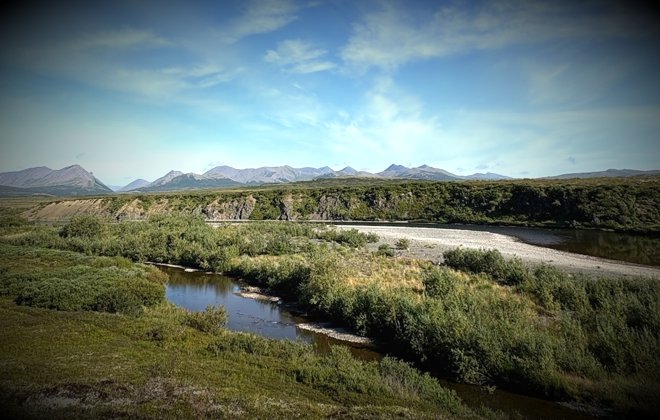
Remote, unspoiled, and accessible only by floatplane—the wild rivers of Southwest Alaska’s Bristol Bay region represent some of the finest trout fishing on earth. The Alagnak River flows through wilderness that has supported salmon runs and trophy rainbow trout for thousands of years. This is leopard rainbow country, where heavily spotted trout grow to massive proportions in one of the last truly wild ecosystems remaining.
The Magic of June in Bristol Bay
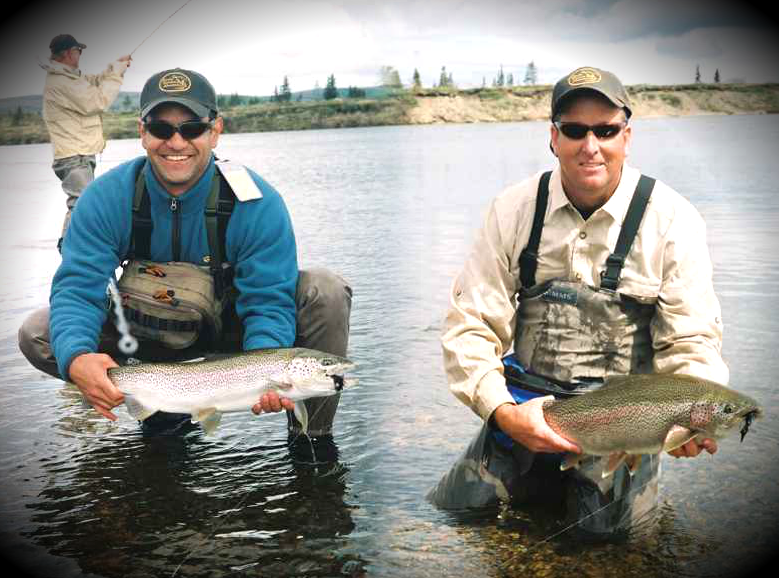
Early season fishing in Southwest Alaska begins with the June 8th opener, when the ice-free rivers emerge from winter and the region’s famous rainbow trout fishery comes to life. On the Alagnak, this is a transitional time—the period between spring spawning and the massive sockeye salmon runs that will dominate the rivers by mid-July. It’s a narrow window, but for anglers who understand what makes it special, early season offers fishing experiences you won’t find anywhere else.
The geography here is unique. Unlike the glacial-fed rivers farther north, the Bristol Bay watershed benefits from mid-elevation mountains that provide substantial snowmelt without the heavy glacial silt that clouds many Alaska rivers. The result is clear, nutrient-rich water flowing through tundra and boreal forest, creating ideal conditions for both salmon and trout. Massive lake systems like Iliamna and Naknek serve as critical winter habitat for rainbow trout and nurseries for young sockeye salmon, forming the foundation of an ecosystem that produces the world’s largest sockeye runs—and the trophy trout that depend on them.
What Makes Early Season Unique
By early June, rainbow trout are coming off their spawning beds and beginning to feed aggressively after the long winter. Water levels are elevated from snowmelt, creating swift, voluminous flows that require solid wading skills and thoughtful approach. But the water is cold and oxygen-rich—perfect conditions for trout to thrive.
During late May and into mid-June, something remarkable happens: millions of sockeye fry from last year’s spawning migration begin their journey downstream to the ocean. These two-inch salmon smolts concentrate in tailouts, runs, and seams—the same water where big rainbows hold. The result is aggressive feeding behavior as trout intercept these protein-rich meals. Streamers fished through typical structure can produce explosive strikes from fish that have been waiting all winter for this bounty.
As the fry migration tapers off in mid-to-late June, the fishing transitions to what many consider the ultimate Alaska experience: dry flies and mouse patterns. With long daylight hours (up to 19 hours of fishing light), anglers can work the evening rises when big rainbows emerge from cover to feed on caddis, mayflies, and terrestrials. Mouse patterns skated across the current create heart-stopping surface strikes from leopard rainbows that have no problem engulfing a pattern as large as a rodent. This is Valhalla—the brief window before the sockeye salmon pulse into the rivers and change the game entirely.
The Leopard Rainbows of Southwest Alaska
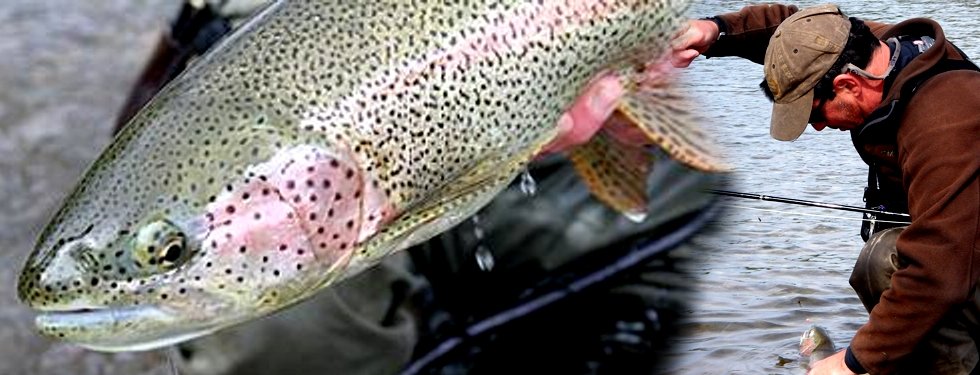
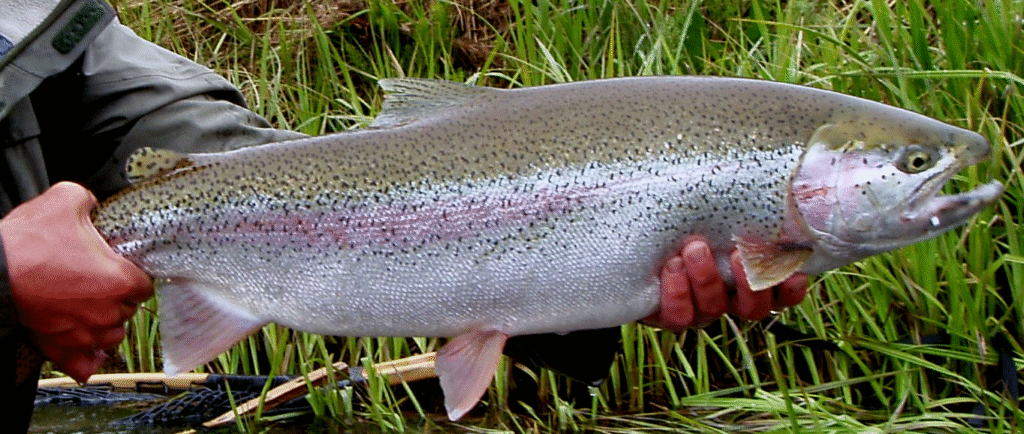
The rainbow trout here are different. Known as “leopard rainbows” for their extraordinary spotting pattern—far heavier than typical rainbow trout—these fish are the most coveted freshwater gamefish in Alaska. Their coloration varies from honey-toned in tannic brooks to chrome-flanked in clear rivers, but all carry the distinctive leopard-like spotting that makes them instantly recognizable.
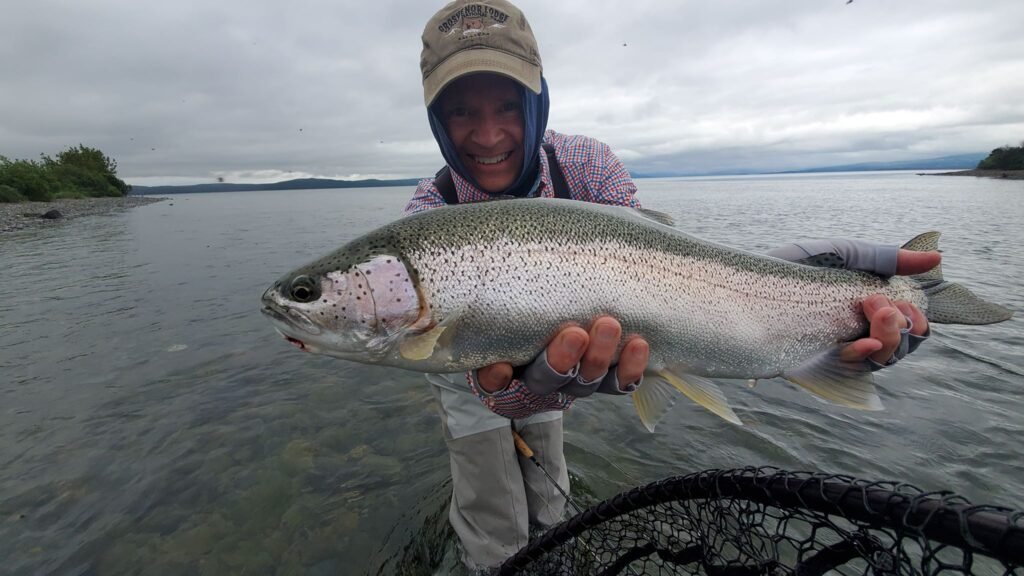
These aren’t average trout. Fish in the 20-inch range are common, and specimens exceeding 30 inches are caught every season. They fight harder pound-for-pound than rainbows anywhere else, a combination of genetics, cold water, and a diet rich in salmon eggs, fry, and flesh that packs on extraordinary muscle mass. The Bristol Bay watershed is designated as Alaska’s only official trophy trout area—and for good reason.
The Alagnak: Classic Early Season Water
The Alagnak comes alive on June 8th. The river flows from twin lake outlets—the Nonvianuk River and Kukaklek branch—where rainbow trout concentrate during the early-season smolt migration. These outlet areas have been legendary trout locations for decades, with aggressive rainbows schooled up during the peak of the smolt out-migration. Below the confluence, the Alagnak braids into multiple channels, creating diverse water types and exceptional rainbow fishing throughout the system.
The famous Alagnak braids offer everything from intimate side channels perfect for dry fly work to substantial runs where streamers and nymphs produce aggressive strikes. This is big water in early season, with swift currents and deep pools that hold substantial trout. The diversity of the system means adapting techniques throughout the day—swinging streamers through dawn runs, working mouse patterns during long evening light, and taking advantage of any surface activity when hatches occur.
Late June: The Arolik Opens
By late June, as the tundra dries and snow recedes from remote landing areas, the Arolik becomes accessible. This completely changes the character of the experience. The Arolik offers intimate, remote water flowing through pristine wilderness where human presence is minimal and wildlife encounters are guaranteed. Late June here means fishing water that few anglers ever see, targeting leopard rainbows in a setting that defines Alaska wilderness fishing. The timing also coincides with peak dry fly and mousing conditions—aggressive post-spawn trout in clear water with long daylight hours and increasing insect activity.
Early Season Techniques
Early season techniques center on matching the available forage. Black and white streamers imitate overwintering salmon flesh and fry. Bead-head nymphs work in faster water where trout hold in the elevated flows. When conditions allow, dry flies—particularly larger mayfly and caddis patterns—produce memorable surface takes. And for those who’ve experienced it, mousing for Alaska rainbows becomes an addiction. The visual element alone—watching a 25-inch trout track and crush a mouse pattern in clear, shallow water—creates memories that last a lifetime.
A 7-weight rod is standard for most early season situations, providing the backbone needed for big fish in strong current while maintaining the sensitivity to present flies effectively. Quality floating lines with interchangeable sinking tips offer versatility as conditions change throughout the day.
The Challenges and Rewards
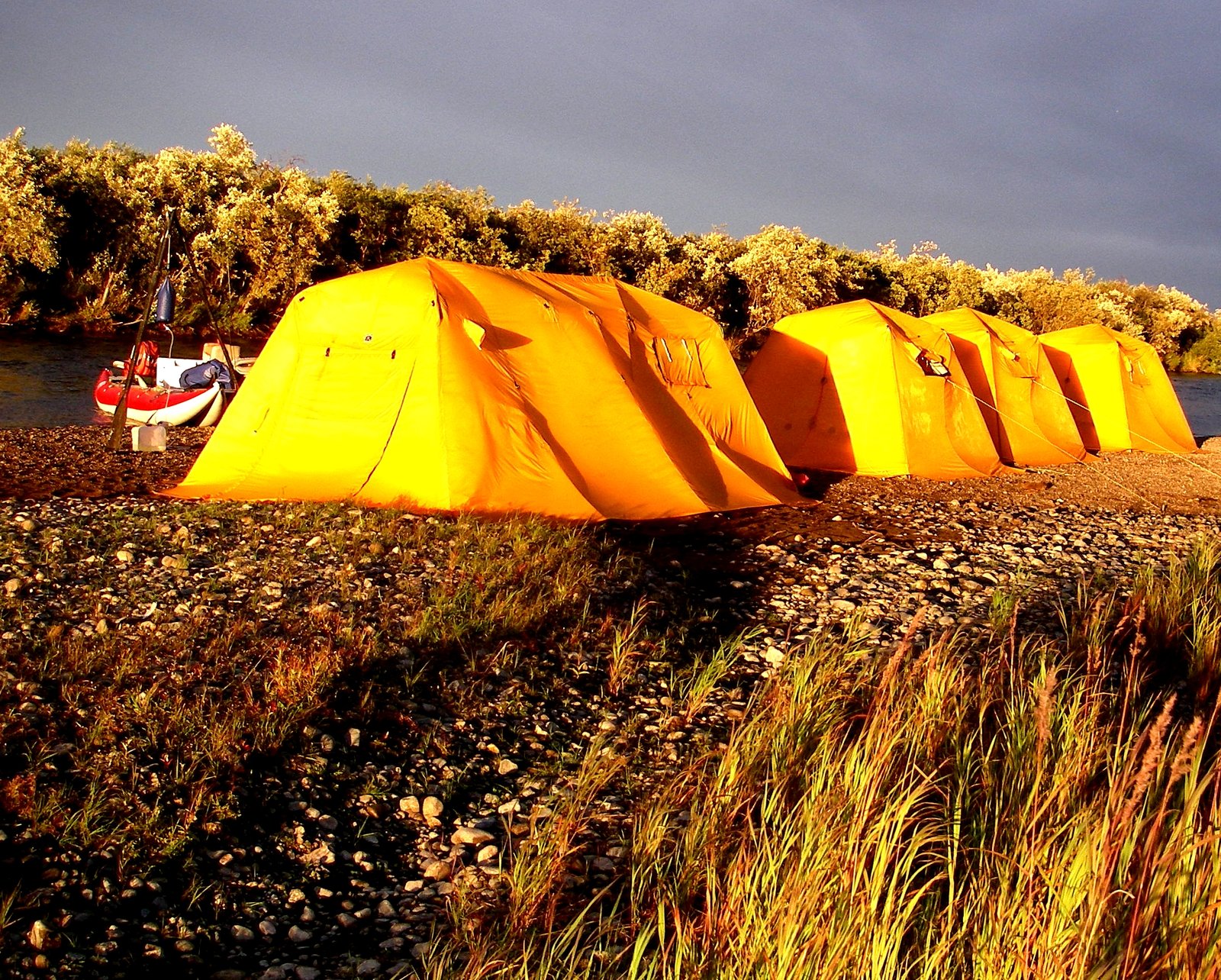
Early season in Southwest Alaska isn’t for everyone. Weather remains unpredictable, with the possibility of rain, wind, and even snow. Rivers run high and swift from snowmelt, demanding proper wading technique and gear. These are truly remote waters—all accessed exclusively by floatplane to their headwaters, miles from any road or development. The wilderness experience is complete: brown bears fishing alongside you, eagles overhead, and often an entire river to yourself.
Access itself depends on conditions. In the far north, tundra landing sites require the right combination of snowmelt and ground conditions—too much snow or saturated ground means waiting for nature’s timeline, not ours. This is wilderness fishing in its truest form, where weather, wildlife, and river conditions dictate the experience.
But for anglers prepared for these conditions, early season offers what’s increasingly scarce in the modern world: genuine wilderness adventure combined with world-class fishing. Limited human presence, unspoiled surroundings, and the mesmerizing Alaska vistas create an experience that transcends the fishing itself—though the fishing alone would be worth the journey.
Planning Your Early Season Adventure
Success in early season Alaska requires careful planning. The right gear matters—quality waders, layered clothing for variable weather, and fly rods suited to big water and big fish. More important than gear is choosing an outfitter with proper permits and deep experience on these specific rivers. These are permitted waters within protected areas, accessible only to those with proper authorization. A guide who knows the Alagnak and Arolik intimately—who understands the timing of fry migrations and hatches, can read water and weather conditions, knows where fish concentrate during the high-water season, and has the experience to make real-time decisions about river access based on conditions—makes all the difference between a good trip and an exceptional one.
Early season in Southwest Alaska represents something increasingly rare: a genuinely wild fishery where massive trout thrive in their native habitat, supported by intact ecosystems and sustainable salmon runs that have persisted for millennia. For those willing to embrace the adventure—the unpredictable weather, the remote access, the physical challenges—the rewards are incomparable. This is Alaska as it was meant to be experienced, and early season is when you can witness the annual cycle beginning again, just as it has for thousands of years.
Originally published at an earlier date
